
Physiologically based pharmacokinetic (PBPK) and physiologically-based biopharmaceutics (PBBM) modeling are valuable tools in drug development, allowing mechanistic predictions of drug absorption and disposition.

2025 AAPS 360 Annual Meeting: Highlights in In Vitro Release and Dissolution Testing and Oral Biopharmaceutics Modeling
This manuscript highlights key sessions from the In Vitro Release and Dissolution Testing (IVRDT) and Oral Biopharmaceutics and Absorption Modeling (OBAM) communities at the 2025 AAPS PharmSci 360 Annual Meeting (November 9–12, San Antonio, TX).

GastroPlus in Model-informed Drug Development: PBPK Modelling, ACAT Modelling, and Regulatory Relevance
GastroPlus is a popular mid-21st century modeling software used in the drug development world to simulate in vivo drug behaviours based on in vitro and physicochemical data.
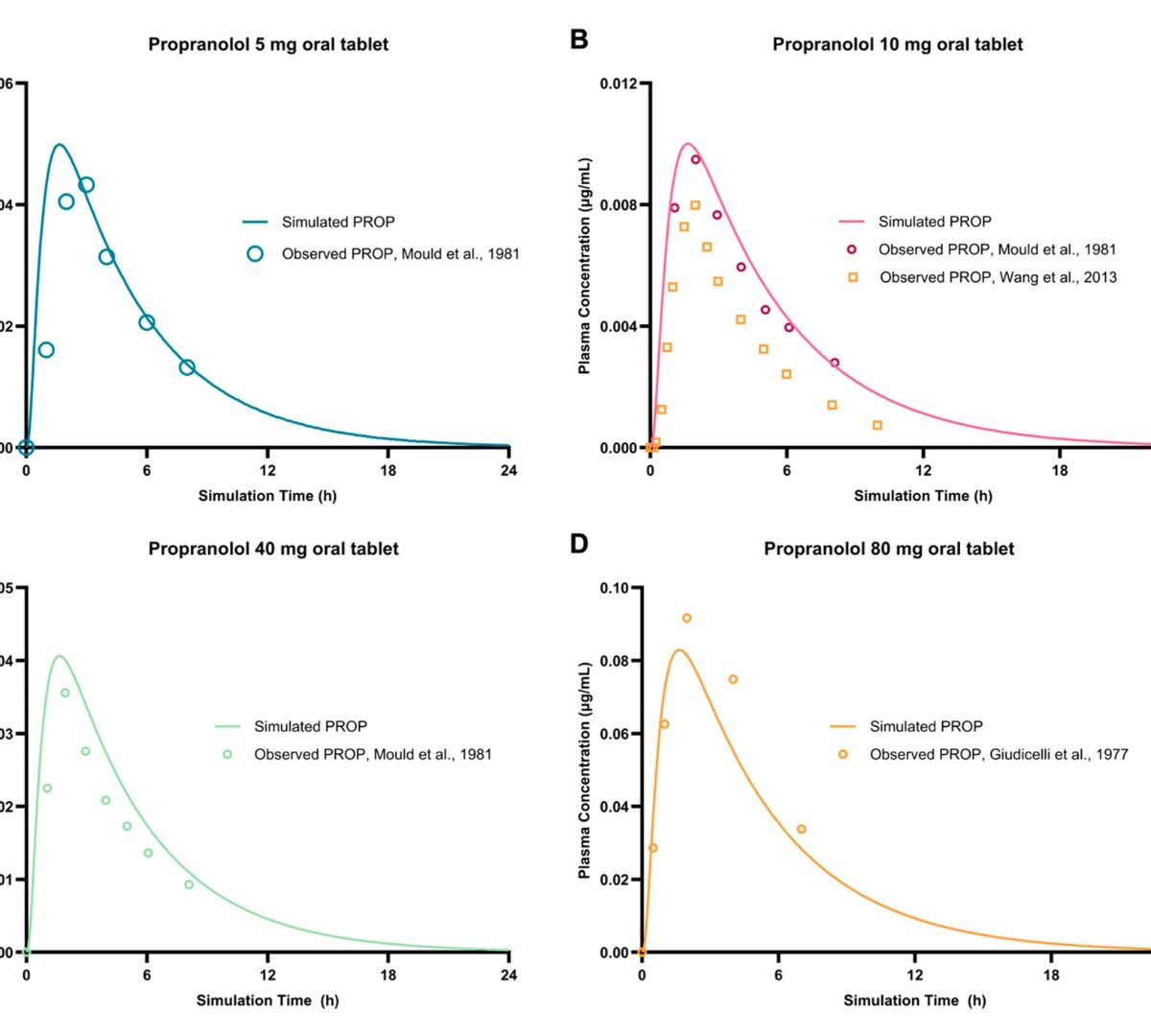
Model-Based Virtual Clinical Trial Reveals Renal Impairment and Body Size as Key Determinants of Pharmacokinetic Variability and Drug-Drug Interaction Risk in Propranolol Therapy
Propranolol (PROP) is a non-selective β-blocker widely prescribed for cardiovascular and neurological disorders.
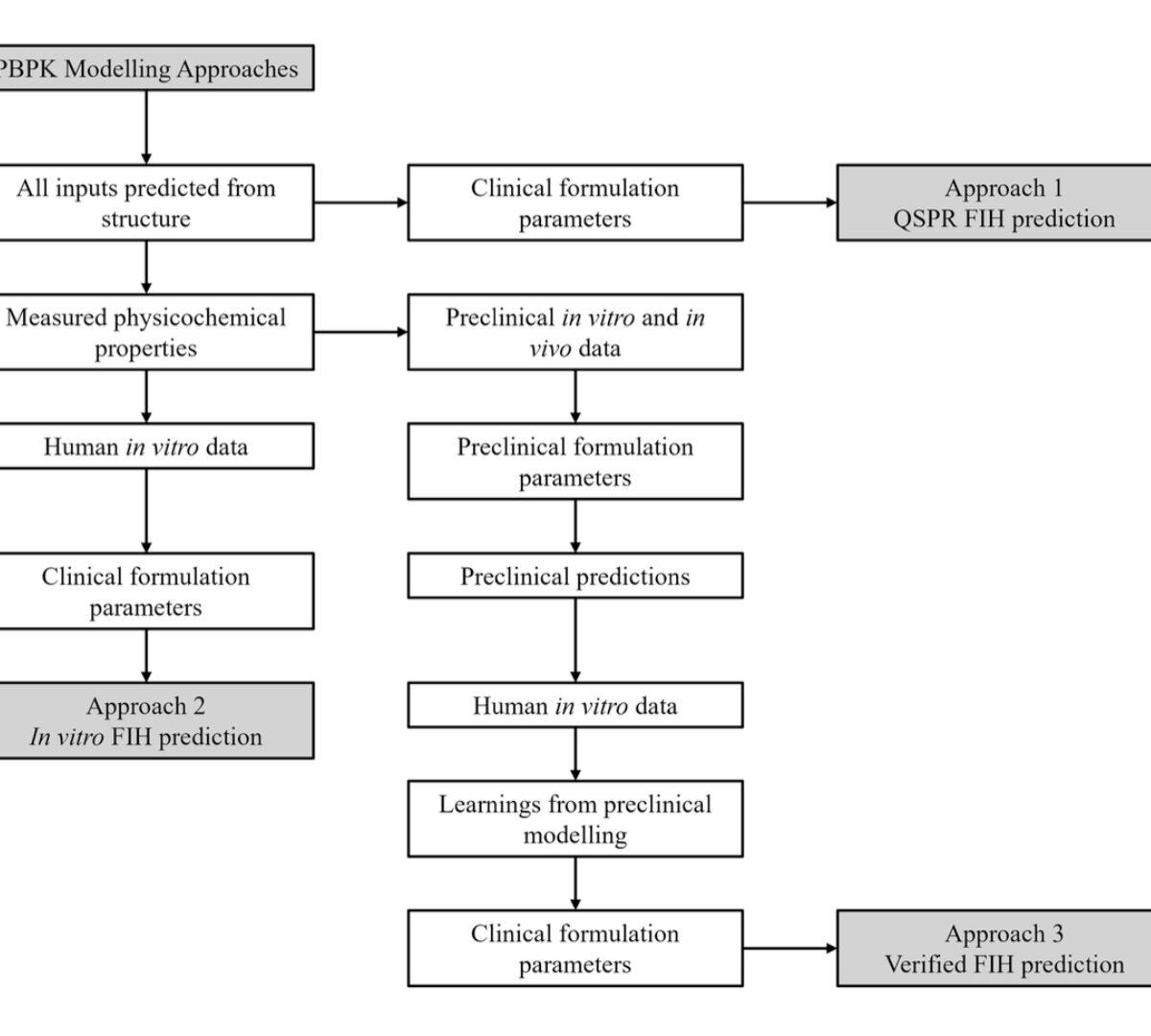
Impact of Preclinical Verification in Physiologically Based Pharmacokinetic Modelling for First-in-Human Predictions: Application of a Published Model Building Strategy for Five Compounds
Physiologically based pharmacokinetic modelling is routinely used in the pharmaceutical industry and has an impact on drug labels.
Pulmonary Physiological-Based Pharmacokinetic (PBPK) Modeling for Clinical Systemic and Regional PK Prediction of Inhaled Nintedanib Drug Products
Nintedanib (Nint), a tyrosine kinase inhibitor, is approved by the FDA for the treatment of idiopathic pulmonary fibrosis (IPF) by administration as an oral tablet.
Mechanistic PBPK Modeling Identifies Oral Microenvironment Determinants of Buccal Midazolam Exposure
Buccal drug delivery relies on prolonged mucosal contact for absorption, sensitive to interindividual chemical and physical variability within the oral microenvironment (Hua, 2019; Shipp et al., 2022).
Development of a Physiologically Based Pharmacokinetic (PBPK) Simulation Model for Nicotine
Tobacco is a major cause of chronic diseases such as lung cancer, cardiovascular disease, and chronic obstructive pulmonary disease worldwide.
Translating In Vitro Mechanistic Findings to In Vivo Toxicity Outcomes: A Case Study of Usnic Acid Hepatotoxicity
New Approach Methodologies (NAMs) utilizing cellular models provide mechanistic insight into chemical hazards, but their utility in human health risk assessment depends on demonstrating how effectively in vitro findings translate to real-world outcomes
Advancing Pharmacoequity in Low- and Middle-Income Countries via Model Informed Drug Development
Across low- and middle-income countries (LMICs) inequities in access to safe, effective medicines persist due to limited regulatory capacity, inadequate financing, and insufficient local data.
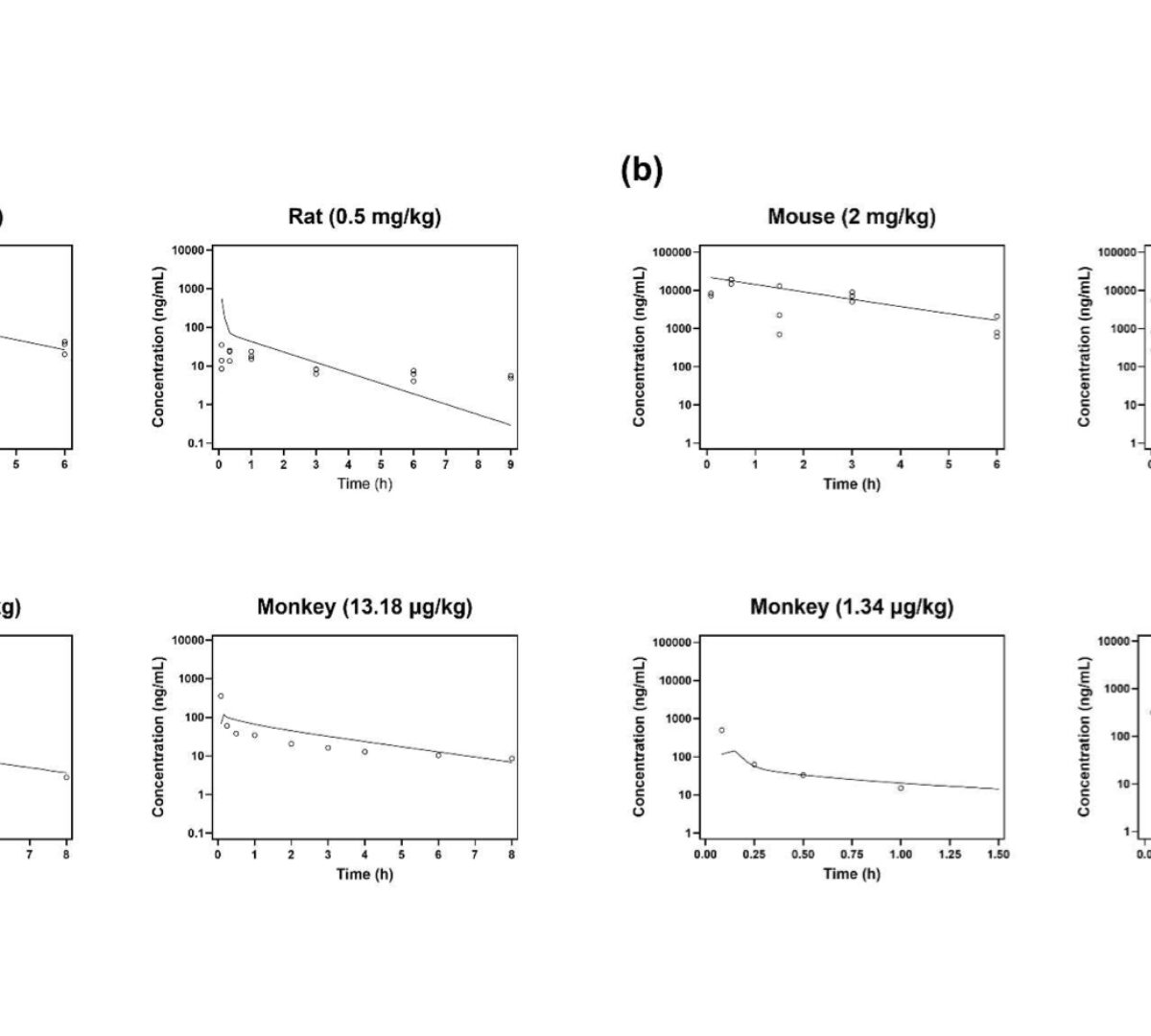
Physiologically Based Pharmacokinetic Modeling to Predict Human Pharmacokinetics of a Novel Mithramycin Analog for Ewing Sarcoma
To develop and verify a physiologically based pharmacokinetic (PBPK) modeling strategy for mithramycin (MTM) and its analog, MTMSA-Trp, with the aim of projecting first-in-human plasma pharmacokinetics and supporting the translational development of MTMSA-Trp for Ewing sarcoma treatment.
Reproductive Toxicity of Fructus Psoraleae in Zebrafish: Material Basis and Implications for Clinical Safety Dosing
Fructus psoraleae (FP), a classical TCM with a medicinal history spanning several millennia, is esteemed for its therapeutic properties in regulating Qi, alleviating asthma, tonifying kidneys and reinforcing Yang.
Physiologically Based Pharmacokinetic Modeling and Dose Adjustment of Imipenem in Pediatric Patients with Renal Impairment Chen Feng Chen Feng 1 P Peng Xiao 1,2
To establish a physiologically based pharmacokinetic (PBPK) model of imipenem, predict its exposure in pediatric patients with different renal function, and optimize the dosing regimen.
A Drug–Microbiome–Drug Interaction Impacts Co-Prescribed Medications for Parkinson’s Disease
Simultaneous prescription of multiple drugs is widespread in medicine. Although the gut microbiome is implicated in drug responses, its role in mediating drug–drug interactions is unexplored
Nanoformulation Enabling Repurposing of Niclosamide for the Treatment of Pancreatic Cancer: Rapidly Soluble Oral Formulation for Enhanced Bioavailability
Pancreatic ductal adenocarcinoma (PDAC) is relatively uncommon yet remains one of the most lethal cancers worldwide.
Nonlinear Mixed-Effects Modeling to Characterize the Pharmacokinetics of a Novel Mithramycin Analogue for Ewing Sarcoma in Mice
To develop a pharmacokinetic model for a novel mithramycin analogue, MTMSA-Trp, in mice and characterize dose-dependent disposition to support future pharmacokinetic-pharmacodynamic (PK/PD) and exposure-e cacy analyses.
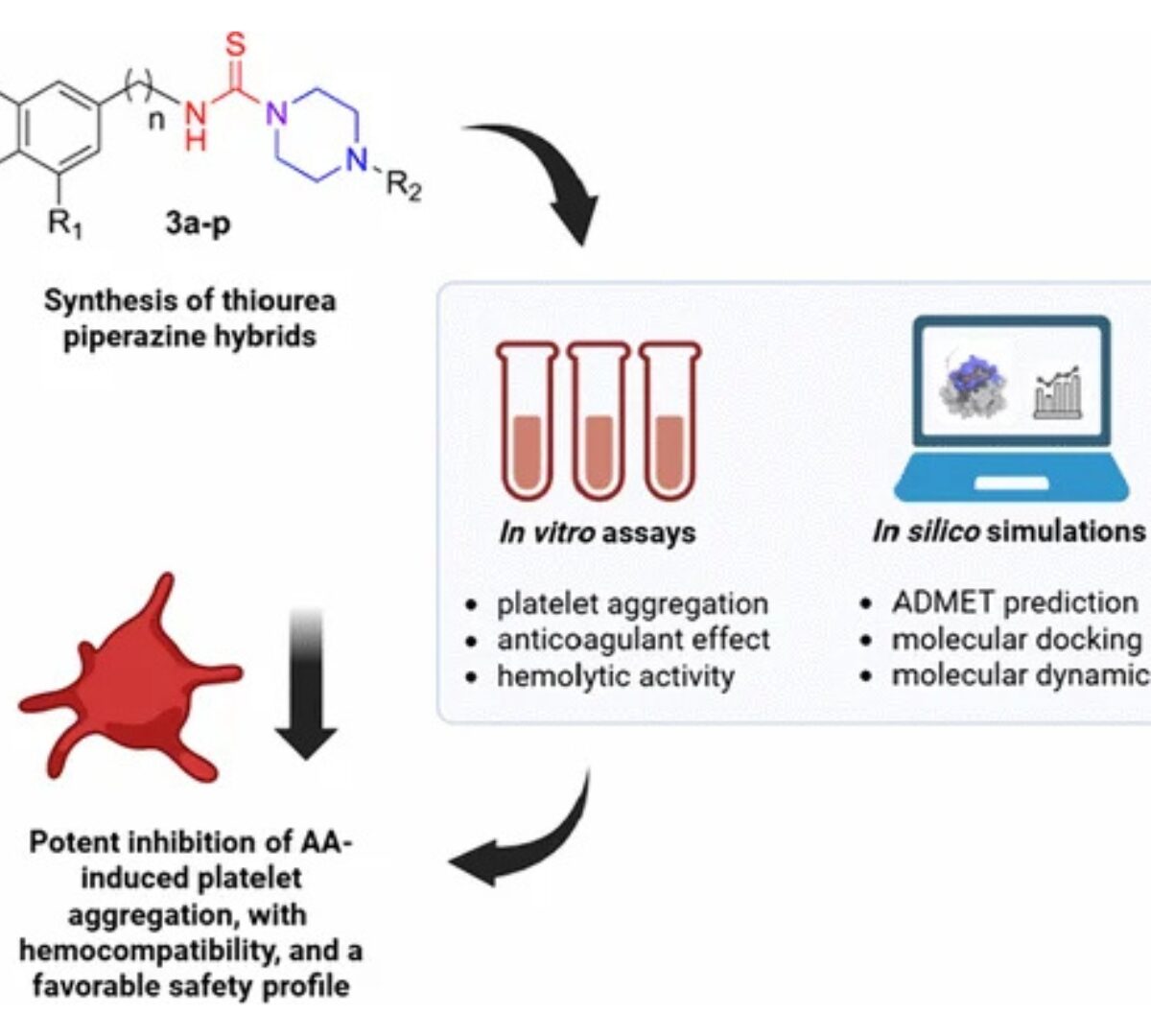
Piperazine-Thiourea Hybrids as Novel Antiplatelet Agents Targeting COX-1: Synthesis, in vitro, and in silico Evaluation
Cardiovascular diseases (CVDs) remain the leading cause of mortality worldwide, reinforcing the need for safer and more effective antiplatelet therapies.
Pharmacokinetic Evaluation of Etoricoxib 120mg Tablets in Healthy Human Pakistani Volunteers: In-Vivo In-Silico Bridging for Bioequivalence
Etoricoxib is a selective cyclooxygenase-2 inhibitor widely used for the treatment of pain and inflammatory conditions.
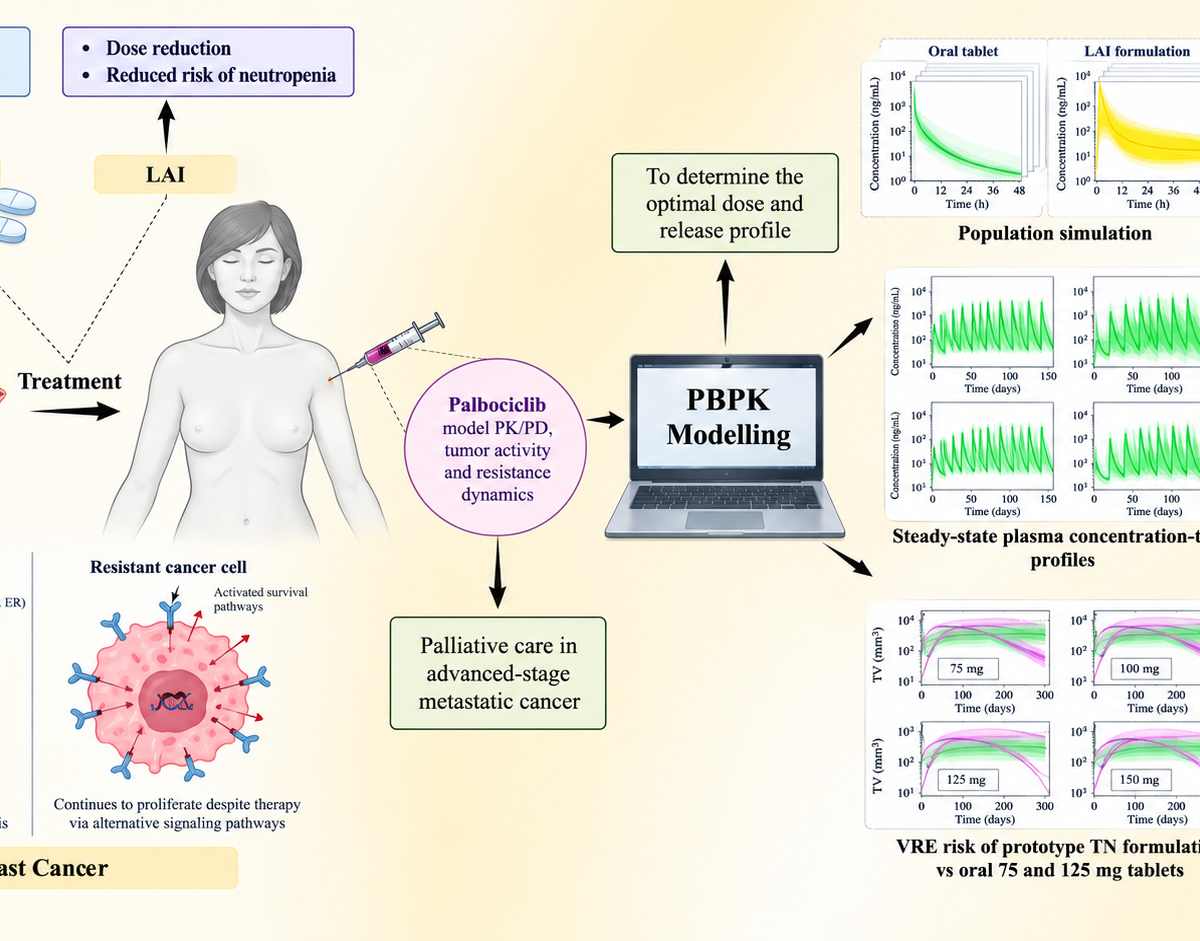
In Silico Designing of Palbociclib Loaded Plga Long-Acting Intramuscular Injection for Palliative Therapy of HR+/HER2− Metastatic Breast Cancer
Palbociclib (PBB) is an oral cyclin-dependent kinase 4/6 (CDK4/6) inhibitor approved for the treatment of HR+/HER2− breast cancer.
Comparison of Population Pharmacokinetic Platforms, Monolix and Phoenix for Cephalexin in Infants
Cephalexin is a commonly used antibiotic for pediatric populations, however, data to guide effective oral dosing in young infants are limited.